If you can’t do High Knee Against Wall, use standing high knees, marching runs, mountain climbers, butt kicks, or jump rope to maintain cardiovascular load. Drive the knee toward hip level, keep a tall torso, and land softly to protect joints while preserving hip flexor and ankle dorsiflexor activation.
Original Exercise: High Knee Against Wall
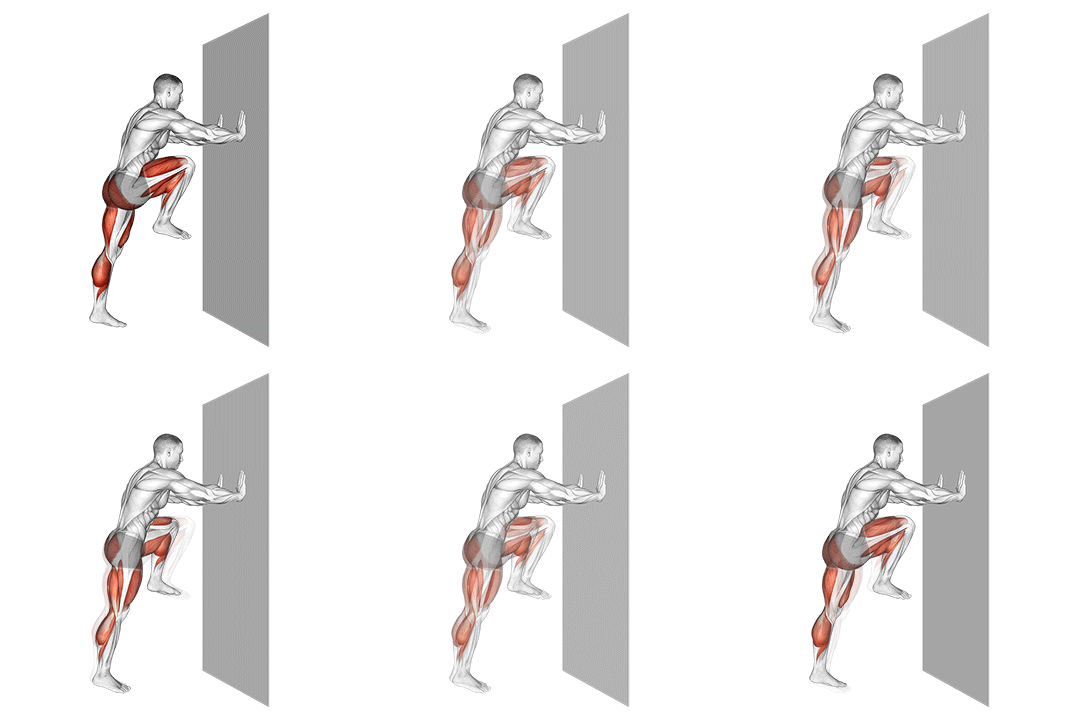
Primary Muscle
Cardiovascular-system
Secondary Muscles:
Quadriceps, Hamstrings, Glutes, Calves
How to Perform High Knee Against Wall
- Stand facing a wall with your feet hip-width apart.
- Place your hands on the wall for support.
- Engage your core and lift your right knee up towards your chest, while keeping your left foot on the ground.
- Quickly switch legs, bringing your left knee up towards your chest and lowering your right foot back down.
- Continue alternating legs in a running motion, bringing your knees up as high as possible.
- Maintain a fast pace and keep your upper body stable throughout the exercise.
- Repeat for the desired duration or number of repetitions.
Ranked High Knee Against Wall Alternatives
Best Match
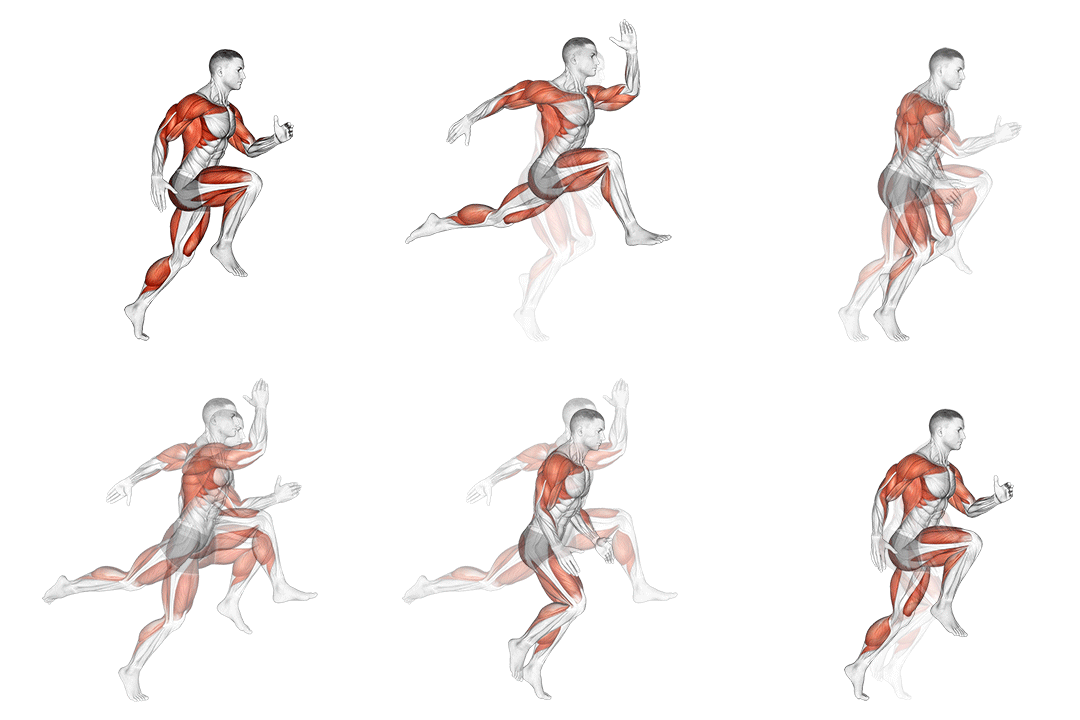
1. Wheel Run
99.4% Match
Cardiovascular-system
Body-weight
Intermediate
Isolation
How to perform this exercise
- Start in a plank position with your hands on the wheel and your body straight.
- Engage your core and start rolling the wheel forward by extending your arms.
- Continue rolling until your body is fully extended and your arms are overhead.
- Reverse the movement by pulling the wheel back towards your body, using your core and arms.
- Repeat for the desired number of repetitions.
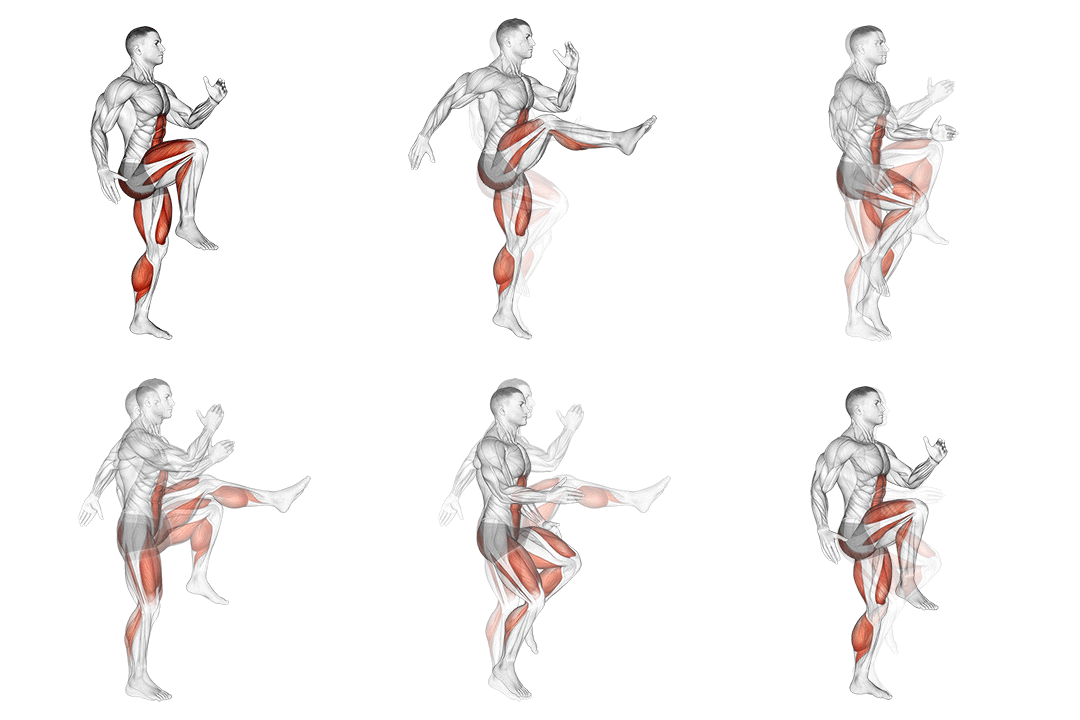
2. Push To Run
89.1% Match
Cardiovascular-system
Body-weight
Intermediate
Isolation
How to perform this exercise
- Start in a push-up position with your hands shoulder-width apart and your body in a straight line.
- Lower your chest towards the ground by bending your elbows, keeping your body straight.
- Push through your hands to extend your arms and return to the starting position.
- Quickly bring one knee towards your chest, then quickly switch and bring the other knee towards your chest.
- Continue alternating knees as fast as you can while maintaining good form.
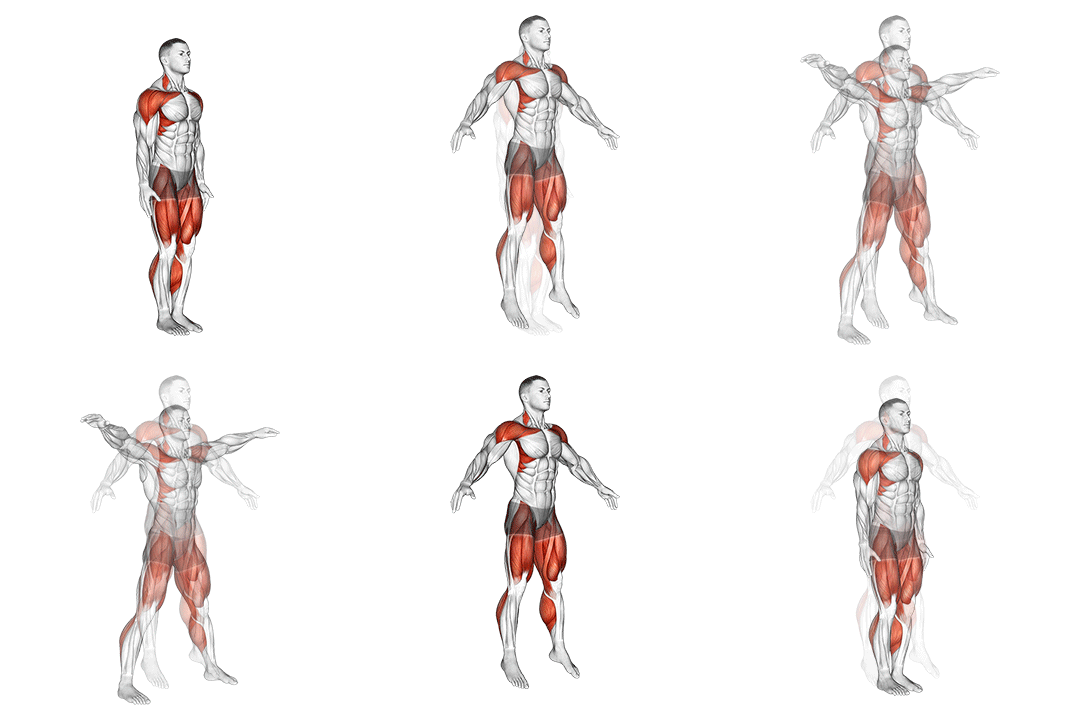
3. Astride Jumps (male)
83.1% Match
Cardiovascular-system
Body-weight
Intermediate
Isolation
How to perform this exercise
- Stand with your feet shoulder-width apart.
- Bend your knees and lower your body into a squat position.
- Jump explosively upwards, extending your legs and arms.
- While in the air, spread your legs apart and bring your arms out to the sides.
- Land softly with your feet shoulder-width apart, bending your knees to absorb the impact.
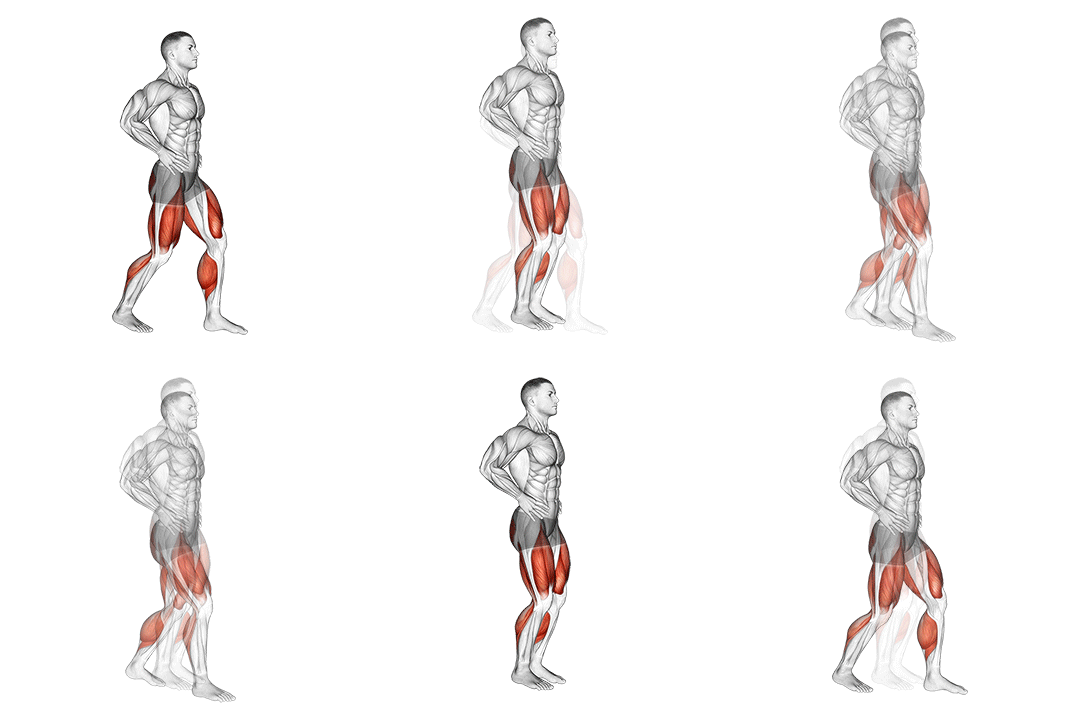
4. Ski Step
83.1% Match
Cardiovascular-system
Body-weight
Beginner
Isolation
How to perform this exercise
- Stand with your feet shoulder-width apart.
- Bend your knees slightly and keep your back straight.
- Jump to the right, landing on your right foot while swinging your left leg behind your right leg.
- Immediately jump to the left, landing on your left foot while swinging your right leg behind your left leg.
- Continue alternating jumps from side to side, mimicking a skiing motion.
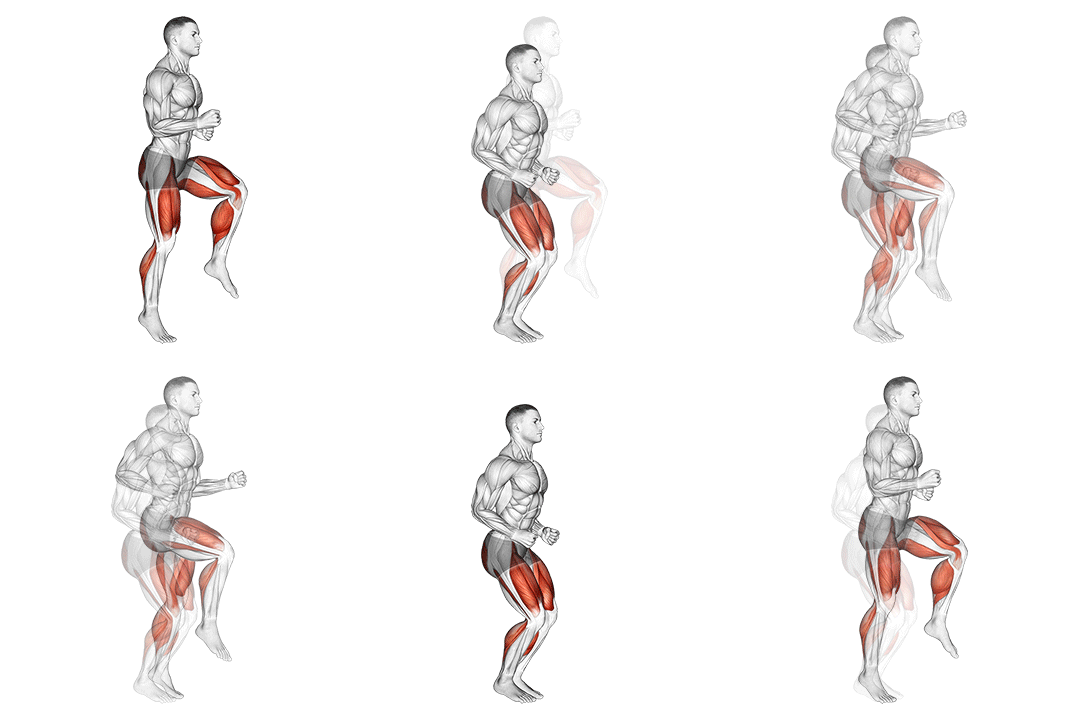
5. Half Knee Bends (male)
82.2% Match
Cardiovascular-system
Body-weight
Beginner
Isolation
How to perform this exercise
- Stand with your feet shoulder-width apart.
- Bend your knees and lower your body down as if you were sitting back into a chair.
- Keep your chest up and your weight in your heels.
- Pause for a moment at the bottom, then push through your heels to return to the starting position.
- Repeat for the desired number of repetitions.
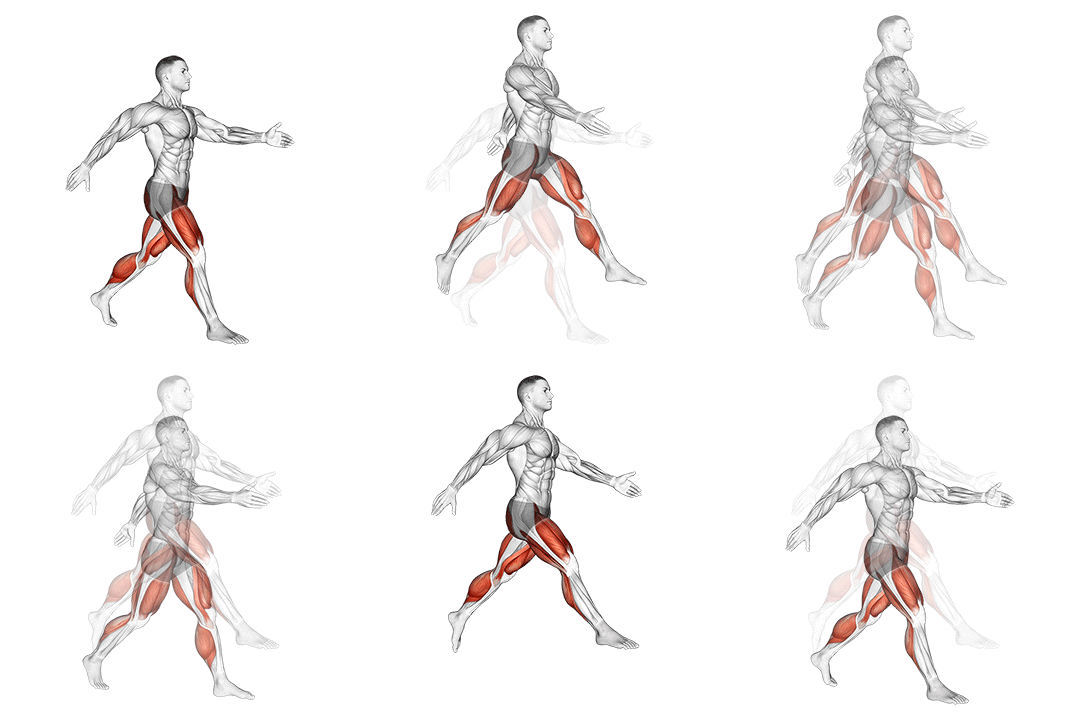
6. Scissor Jumps (male)
81.8% Match
Cardiovascular-system
Body-weight
Intermediate
Isolation
How to perform this exercise
- Stand with your feet shoulder-width apart.
- Jump off the ground and simultaneously cross your right leg in front of your left leg.
- As you land, quickly switch legs, crossing your left leg in front of your right leg.
- Continue alternating legs and jumping as quickly as possible.
- Repeat for the desired number of repetitions.
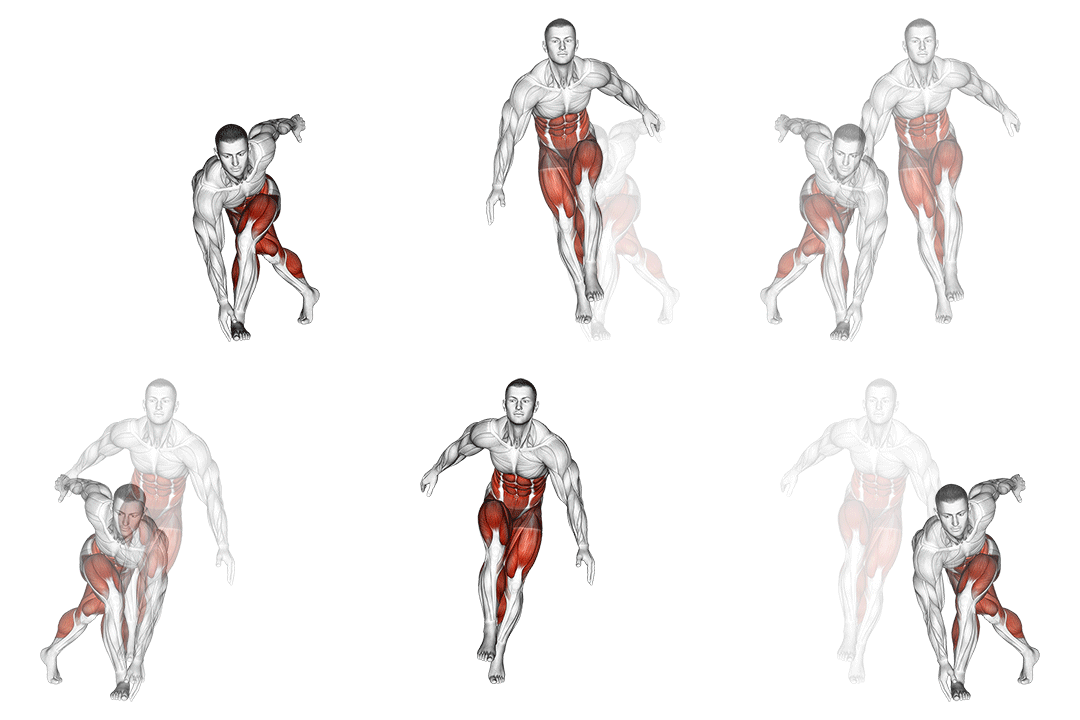
7. Back And Forth Step
80.2% Match
Cardiovascular-system
Body-weight
Beginner
Isolation
How to perform this exercise
- Stand with your feet shoulder-width apart.
- Step forward with your right foot, bending your knee and lowering your body into a lunge position.
- Push off with your right foot and step back to the starting position.
- Repeat the movement with your left foot, alternating legs with each step.
- Continue stepping back and forth, maintaining a steady pace.
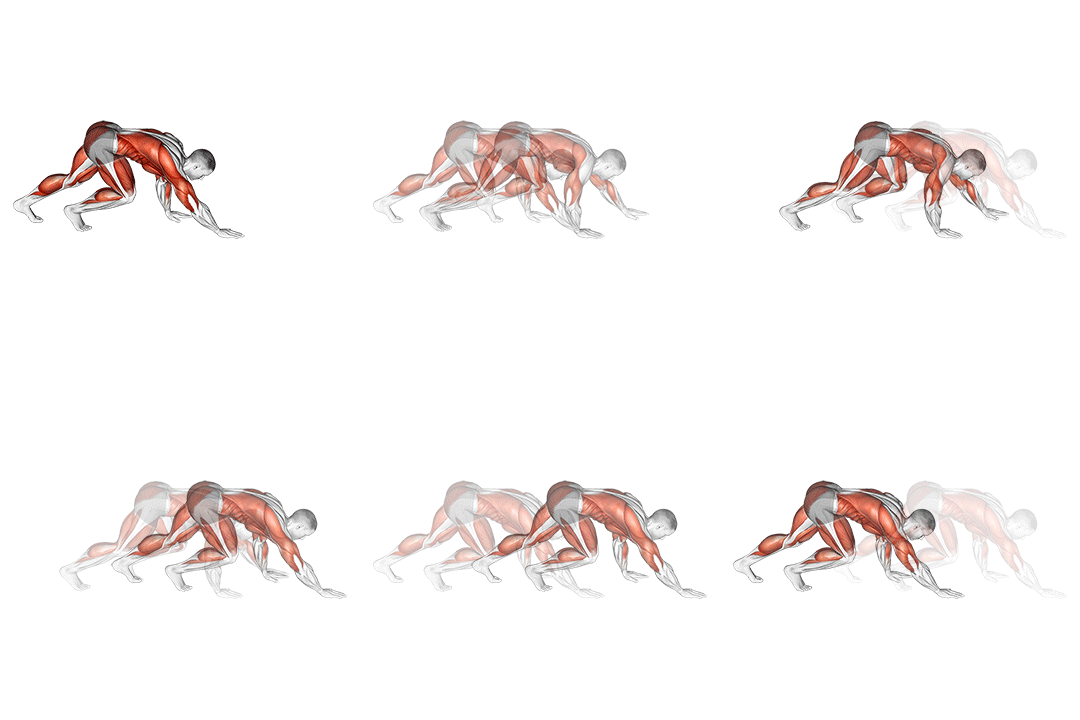
8. Bear Crawl
80.1% Match
Cardiovascular-system
Body-weight
Intermediate
Isolation
How to perform this exercise
- Start on all fours with your hands directly under your shoulders and your knees directly under your hips.
- Lift your knees slightly off the ground, keeping your back flat and your core engaged.
- Move your right hand and left foot forward simultaneously, followed by your left hand and right foot.
- Continue crawling forward, alternating your hand and foot movements.
- Maintain a steady pace and keep your core tight throughout the exercise.
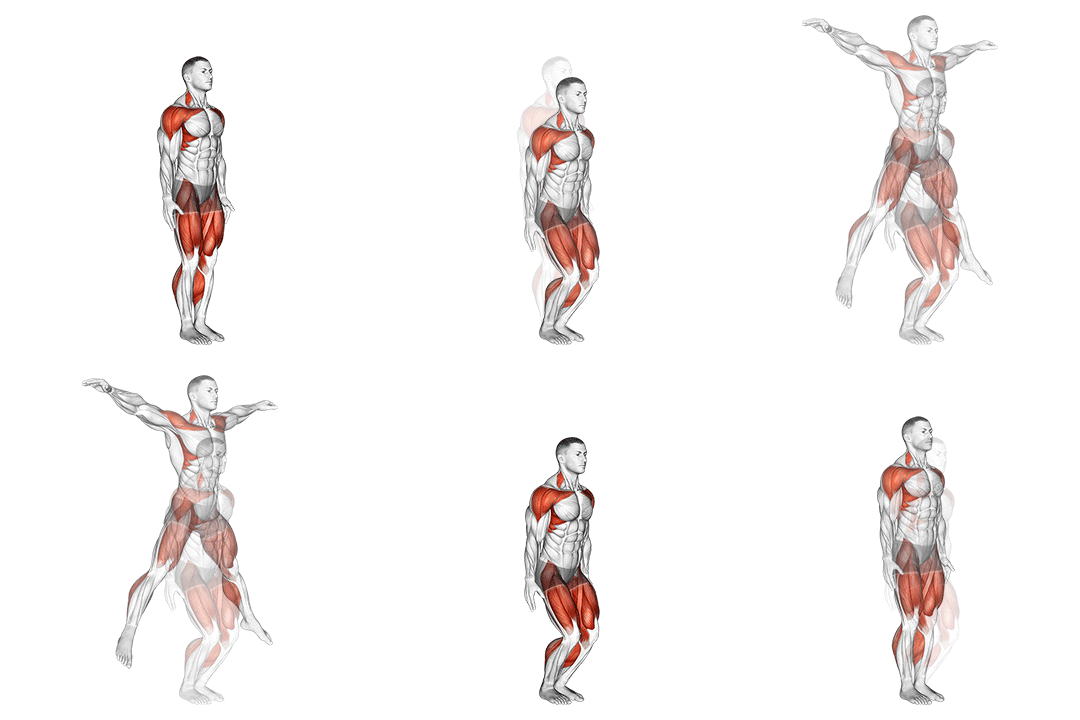
9. Star Jump (male)
77.4% Match
Cardiovascular-system
Body-weight
Beginner
Isolation
How to perform this exercise
- Stand with your feet shoulder-width apart and your arms by your sides.
- Bend your knees slightly and jump up explosively.
- As you jump, spread your legs and extend your arms out to the sides, forming a star shape with your body.
- Land softly on the balls of your feet with your knees slightly bent.
- Repeat for the desired number of repetitions.
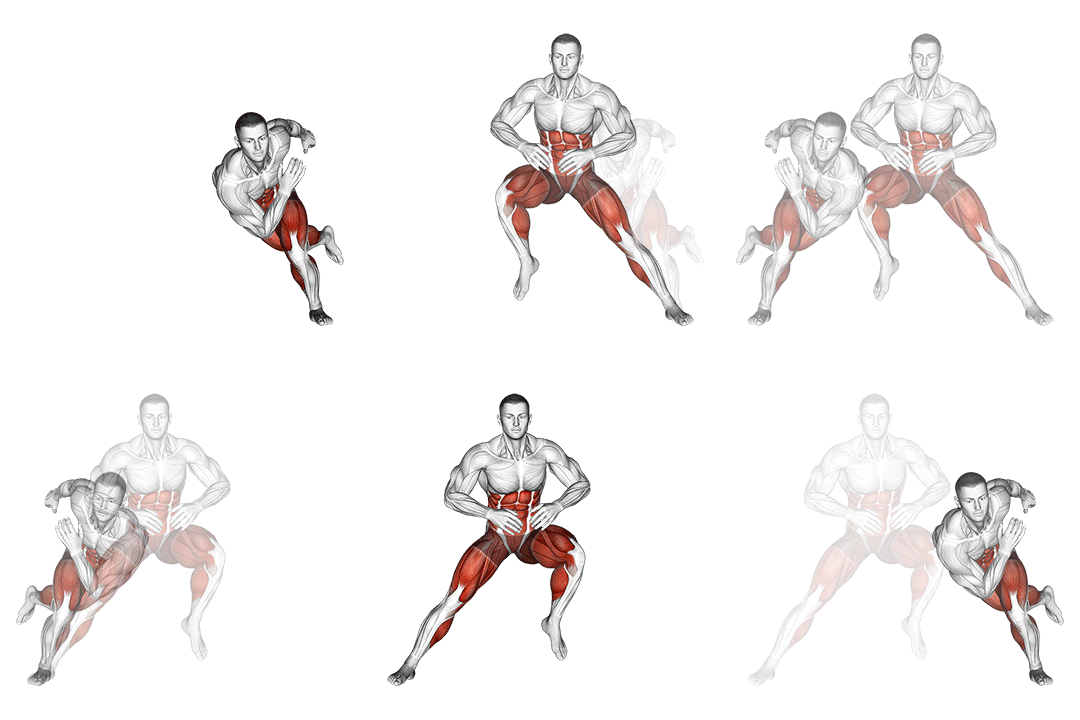
10. Skater Hops
76% Match
Cardiovascular-system
Body-weight
Advanced
Isolation
How to perform this exercise
- Stand with your feet shoulder-width apart.
- Bend your knees slightly and jump to the right, landing on your right foot.
- As you land, swing your left leg behind your right leg and tap the ground with your left toes.
- Immediately jump to the left, landing on your left foot.
- As you land, swing your right leg behind your left leg and tap the ground with your right toes.
Why You Might Need a High Knee Against Wall Alternative
You may need substitutes because of knee or hip pain from repeated impact, lack of a stable wall, space constraints, or a desire for higher or lower intensity. Joint-sensitive trainees often swap to marching runs or cycling intervals to keep heart rate up while reducing eccentric knee loading. Those chasing core or hip-flexor endurance can use mountain climbers with a flat spine and deliberate knee drive to maintain rectus abdominis and iliopsoas engagement. Travel or outdoor workouts favor jump rope or high-cadence butt kicks, which preserve rhythmic hip flexion and ankle stiffness without requiring a wall.
How to Choose the Right Substitute
Choose a substitute based on your goal, available space, and joint tolerance. For maximal cardio stimulus, select continuous options like standing high knees or jump rope and cue quick ankle pistons and an upright chest to sustain high heart rate. If you need low impact, pick marching runs or bike intervals and emphasize hip extension and longer ground contact to load glutes more than knees. For core focus, pick mountain climbers or plank knee tucks and brace your core with a neutral spine to transfer force efficiently. Test each option with a 60-second set and monitor heart rate and perceived exertion.
Frequently Asked Questions
What muscles does High Knee Against Wall work?
High Knee Against Wall primarily stresses the cardiovascular system while recruiting hip flexors, quadriceps, and the anterior core. It also engages gluteal stabilizers and ankle dorsiflexors through repeated knee drives and quick ground contact.
What is the best bodyweight alternative to High Knee Against Wall?
Standing high knees are the closest bodyweight substitute: drive each knee up toward hip level, keep your torso tall, and land softly on midfoot to preserve cadence. This maintains hip-flexor activation and similar cardiovascular load without wall support.
Can I build muscle without doing High Knee Against Wall?
Yes. High Knee Against Wall is a cardio-dominant movement; to build muscle, prioritize resistance exercises like squats, lunges, and Romanian deadlifts that create eccentric load and progressive overload. You can include plyometrics or weighted carries for additional muscular stimulus while using cardio alternatives for conditioning.
More Exercise Alternatives
Find Alternatives for Any Exercise
Use the exercise substitution finder to compare ranked alternatives for your available equipment and training preference.