Women’s bodies go through different phases in their life – from puberty in teens to menopause after 40s. That’s the reason their nutritional needs vary at different ages. To support their health at every phase, women need to ensure a balanced and nutrient-dense diet to maintain overall physical and mental wellbeing. Did you know that experts believe that women have a relatively higher protein requirement than men? Moreover, in recent years, more research has suggested that women actually need more protein because they exhibit a higher rate of protein oxidation.
To get a complete picture of this from an expert lens, the editorial team of OnlyMyHealth reached out to Dr Geetika Chopra, Celebrity Holistic Nutritionist. Read ahead.
Do Women Need More Protein Than Men?
Women need more protein than men– how much truth is there in this statement? Our expert answers. “Women often require proportionately more protein than men because of distinct physiological demands. Female bodies go through regular hormonal fluctuations due to the menstrual cycle, pregnancy, postpartum changes, and menopause,” explains Dr Chopra.
She continues, “These phases increase protein requirements for tissue repair, hormone production, muscle maintenance, and metabolic stability. Women also tend to lose muscle mass more quickly during stress, dieting, or ageing, making adequate protein essential to preserve lean mass, immunity, and overall energy levels.”
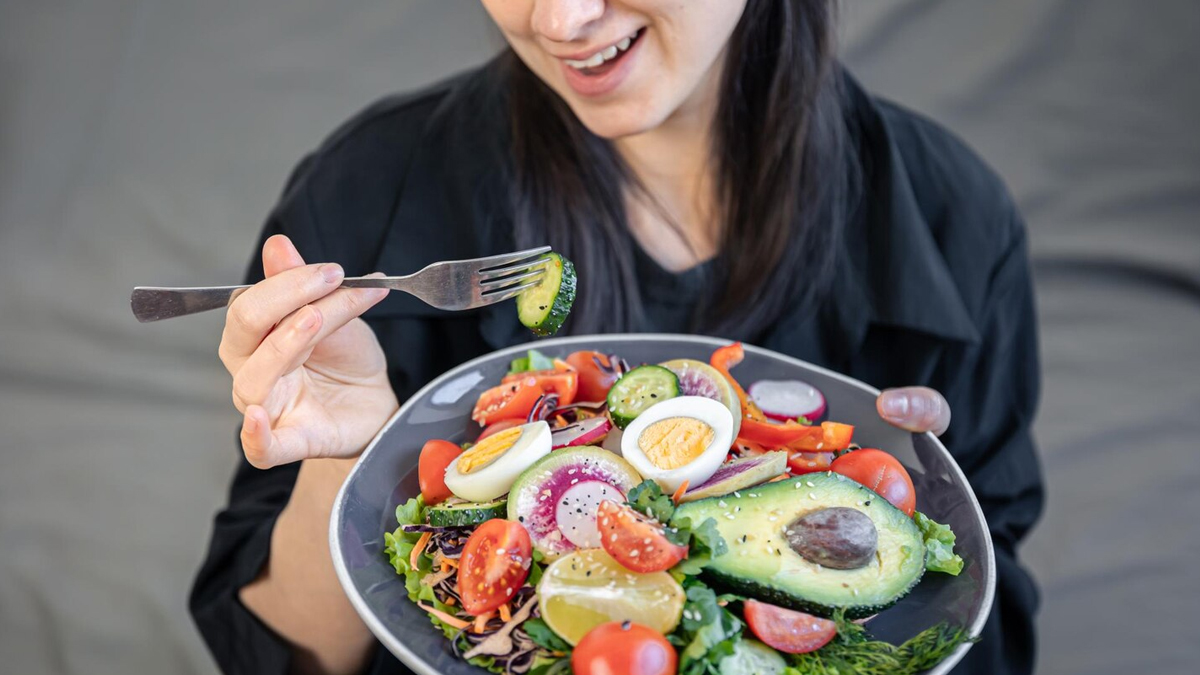
Is A High-protein Diet Good For Women?
As per 2014 study, adequate dietary protein in diet is associated with better physical performance among post-menopausal women, aged 60-90 years. But not just post-menopausal women, a protein-rich diet is necessary for women of all age groups, believe experts.
“A well-balanced, adequate-protein diet can be highly beneficial for women, but ‘high protein’ should not mean extreme or imbalanced intake. When protein is evenly distributed across meals and combined with fiber, healthy fats, and complex carbohydrates, it supports fat loss, muscle tone, stable blood sugar, and satiety. However, excessively high protein intake without enough calories, carbs, or fats can disrupt hormonal balance, especially in women. The goal is adequate and consistent protein, not overconsumption,” explains Dr Chopra.
Here are some common reasons why protein-rich diet is beneficial for women:
- Keep them full for longer periods by keeping their appetite and food cravings under control.
- Burns more calories as proteins are a good metabolic booster.
- Keeps you lean as protein reduces the number of fat tissues.
- Improves bone health as protein supports better absorption of calcium of your body.
- Promotes hormonal balance as protein lowers stress level.
- Fights skin ageing as protein makes your bones stronger and healthier.
- Makes your skin glow as protein contains amino acids that increase the skin’s ability to repair itself and stay healthy.
Also Read: Can Protein Deficiency Make You Fat? Hear It Out From An Expert
How Does Protein Affect Female Hormones?
If you are wondering how important protein is for women’s hormones, let us explain. Dr Chopra summarises them in points:
- Protein provides the amino acids needed to produce key hormones and hormone-regulating enzymes.
- It plays an important role in stabilising insulin, supporting thyroid function, and regulating stress hormones like cortisol.
- Adequate protein helps prevent sudden blood sugar fluctuations, which can otherwise worsen PMS, PCOS symptoms, mood swings, and fatigue.
- In women, balanced protein intake supports estrogen and progesterone balance indirectly by improving metabolic and gut health.
But can too much protein cause infertility in women? “Protein itself does not cause infertility, but excessive protein intake combined with calorie restriction or very low carbohydrate intake can disrupt ovulation and menstrual regularity in some women. Extremely high-protein diets may increase stress hormones, suppress reproductive hormones, or affect thyroid function, if not properly balanced. Fertility depends on overall energy availability and nutrient balance, not just protein. A moderate, well-distributed protein intake supports reproductive health, while extremes on either end can be counterproductive.”
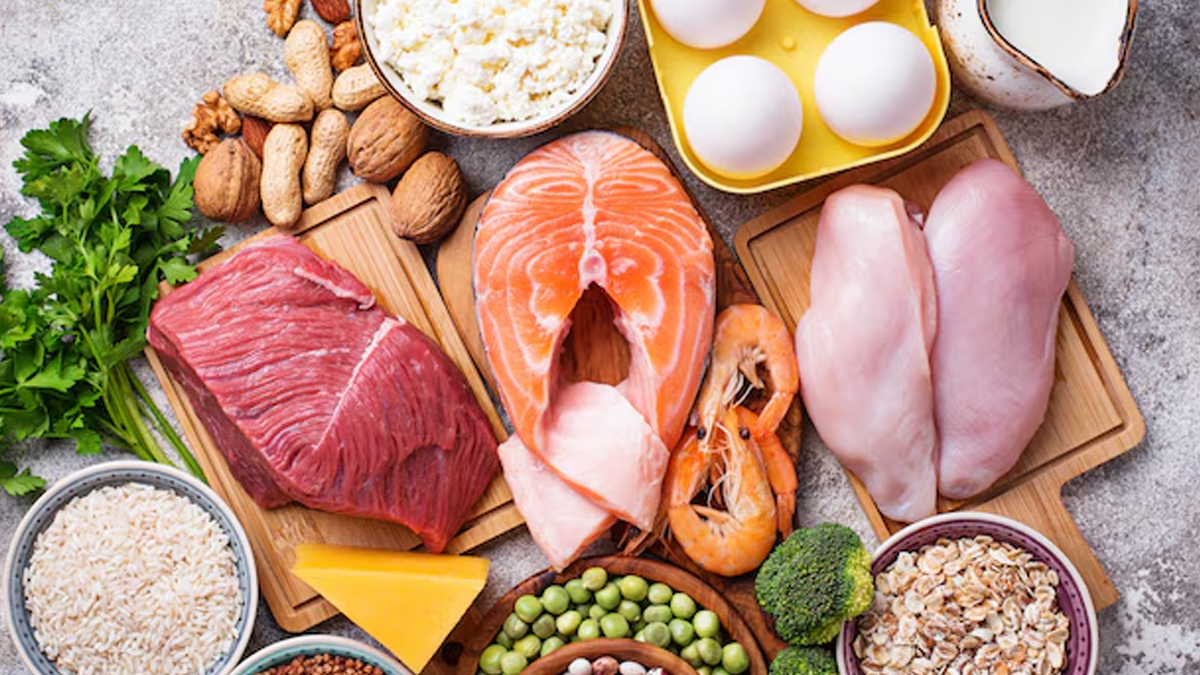
What Happens If Women Don’t Eat Enough Protein?
On this note, Dr Chopra shares the side effects which low protein intake can cause in women. The expert shares that low protein intake in women can lead to a range of symptoms, including:
- Fatigue.
- Hair fall.
- Brittle nails.
- Muscle loss.
- Poor immunity.
- Sugar cravings.
- Irregular periods.
- Slow metabolism.
Over time, chronic protein deficiency may contribute to:
- Hormonal imbalances.
- Insulin resistance.
- Bone weakness.
- Difficulty maintaining a healthy weight.
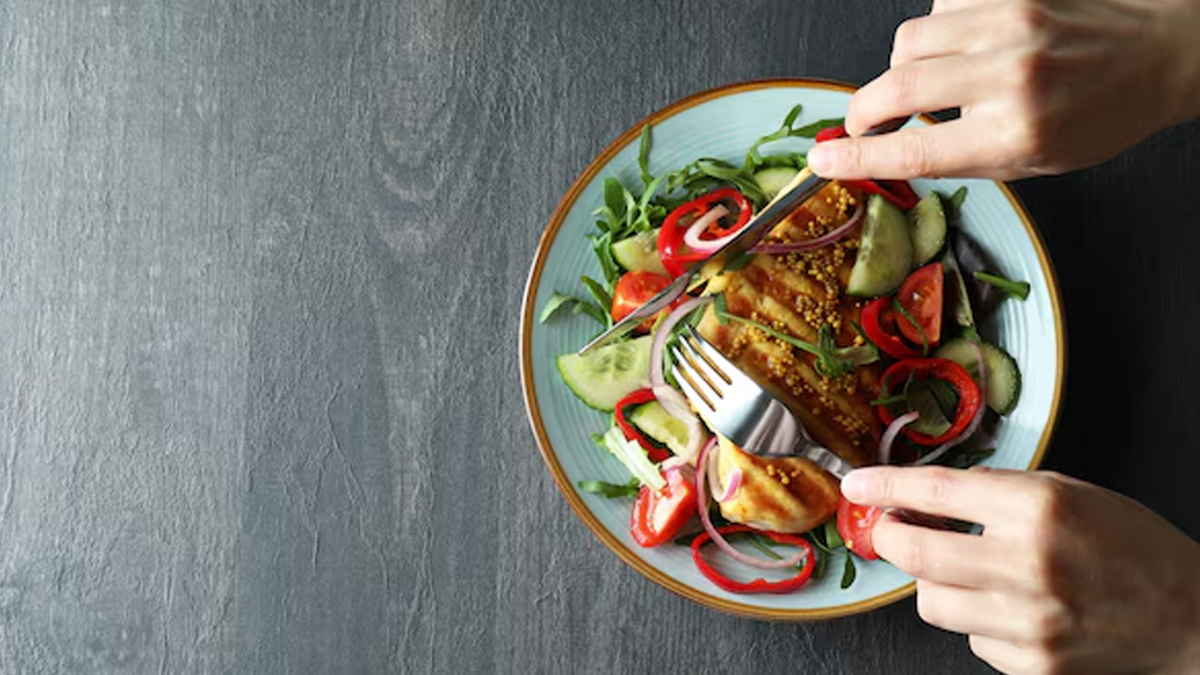
“Many women unknowingly under-eat protein, especially when following restrictive diets, which can worsen these issues rather than improve health,” concludes Dr Chopra.
Also Read: Science of Protein Explained: How Much Protein Do We Really Need? Expert Shares
The Final Word
Women often require proportionately more protein than men because of distinct physiological demands. Female bodies go through regular hormonal fluctuations due to the menstrual cycle, pregnancy, postpartum changes, and menopause. These phases increase protein requirements for tissue repair, hormone production, muscle maintenance, and metabolic stability.
Also watch this video
FAQ
-
Do women really need more protein?
Women need sufficient protein to build lean muscle mass, strengthen bones and optimise the body’s metabolic rate.
-
How much protein does a woman need a day?
For an adult with a healthy weight, the recommended daily amount of protein is 0.75g per kg of body weight per day.
-
Is protein good for female hormones?
Yes, prioritising protein is important for supporting hormone balance in women.
All possible measures have been taken to ensure accuracy, reliability, timeliness and authenticity of the information; however Onlymyhealth.com does not take any liability for the same. Using any information provided by the webhttps://gymforcestore.com/ is solely at the viewers’ discretion. In case of any medical exigencies/ persistent health issues, we advise you to seek a qualified medical practitioner before putting to use any advice/tips given by our team or any third party in form of answers/comments on the above mentioned webhttps://gymforcestore.com/.


How we keep this article up to date:
We work with experts and keep a close eye on the latest in health and wellness. Whenever there is a new research or helpful information, we update our articles with accurate and useful advice.
Current Version
Jan 08, 2026 12:36 IST
Published By : Shruti Das
Reviewed By : Dr Geetika Chopra