-
Leg strength is essential to balance and functional strength in individuals over 60.
-
Leg strengthening exercises can help stave off sarcopenia and metabolic disease.
-
Exercises including the squat, kickstand deadlift, and step-up can help restore leg strength and stability in older adults.
Whether this is your very first “leg day” or you’re returning to a fitness routine after time away, you can build (or build back) leg strength and muscle—even if you’re over 60. And no, you don’t need a gym, trainer, or fancy equipment to do it.
All of the exercises below are appropriate for beginners and people over 60. But that doesn’t mean they’re easy. When done properly, these movements can be challenging, especially with added resistance. Just be sure to learn proper form before using weights.
1. Single-Leg Balance with Reach
Credit: microgen / Getty Images
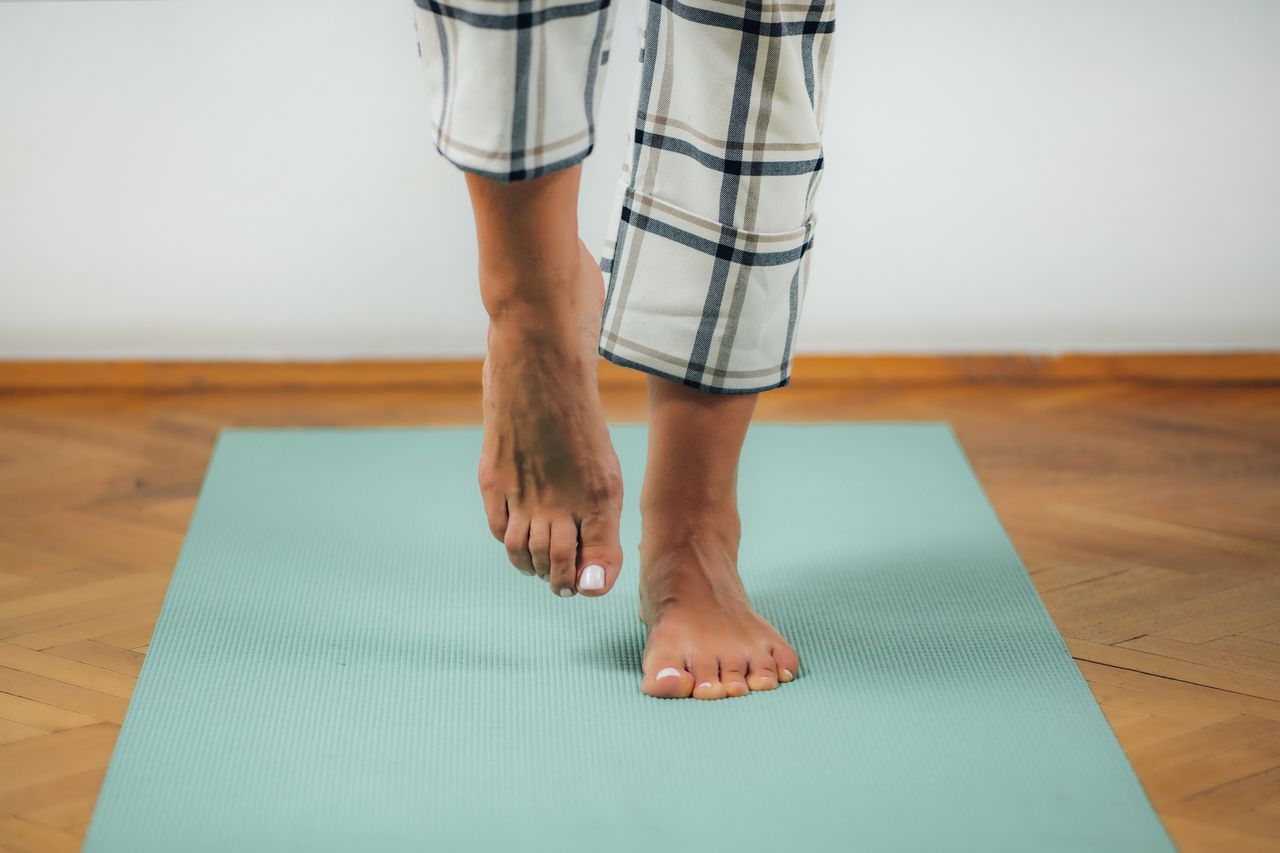
Standing on one leg is both an exercise and an assessment. One study involving participants aged 51 and older found that the ability to balance for 10 seconds was associated with a lower risk of premature death. This exercise can help improve balance while developing strength and stability from the core down through the standing leg and foot.
How to Do It:
-
Stand with your feet hip-width apart. Shift your weight into your left foot and raise your right foot off the ground so that you’re balancing on your left.
-
Bend your left knee slightly and reach your right foot out in front of you. Tap your right toes on the ground (you can place a small object on the ground to use as a target), then stand and draw your foot back under you so it’s hovering above the ground.
-
Again, bend your left knee, as you reach your right foot out to the side and tap your toes on the ground. Draw it back under you as you stand, still hovering your right foot and balancing on the left.
-
Repeat for reps, then switch sides.
2. Step-Up
Credit: yacobchuk / Getty Images
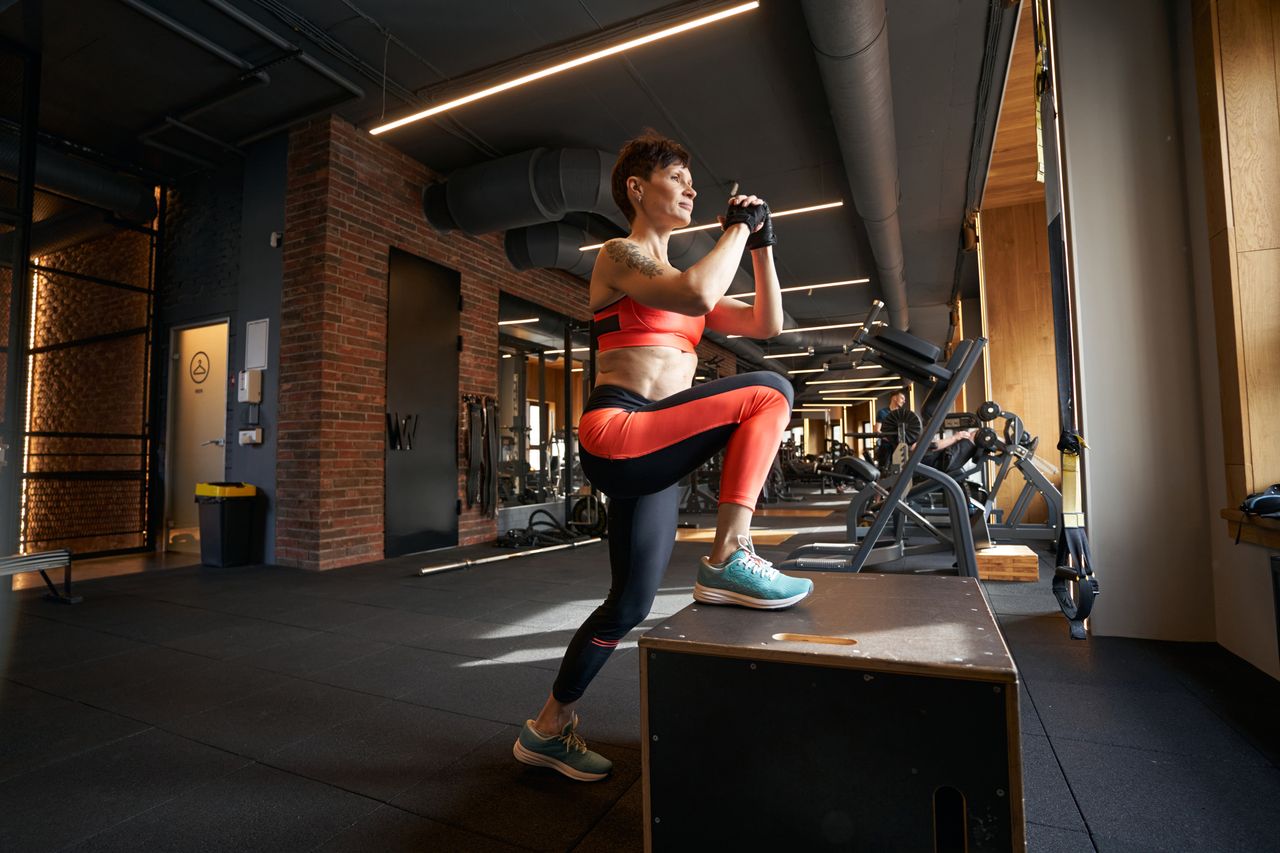
The step-up targets the quadriceps, glutes, hamstrings, and calves, and its movement mechanics reflect everyday activities, such as climbing stairs, that are essential to independent living.
How to Do It:
-
Stand in front of a step, box, or bench. If you’ve mastered the bodyweight step-up, consider holding a dumbbell in each hand with your arms at your sides.
-
Lift your left foot and place it on top of the step. Push through your foot to straighten your leg and stand up on the step, raising your right foot to meet your left.
-
With control, step down with your right foot, then your left. As you step up and down, keep your back flat and chest lifted.
-
Repeat on the oppohttps://gymforcestore.com/ side.
-
Continue alternating legs.
3. Side Lunge
Credit: nortonrsx / Getty Images
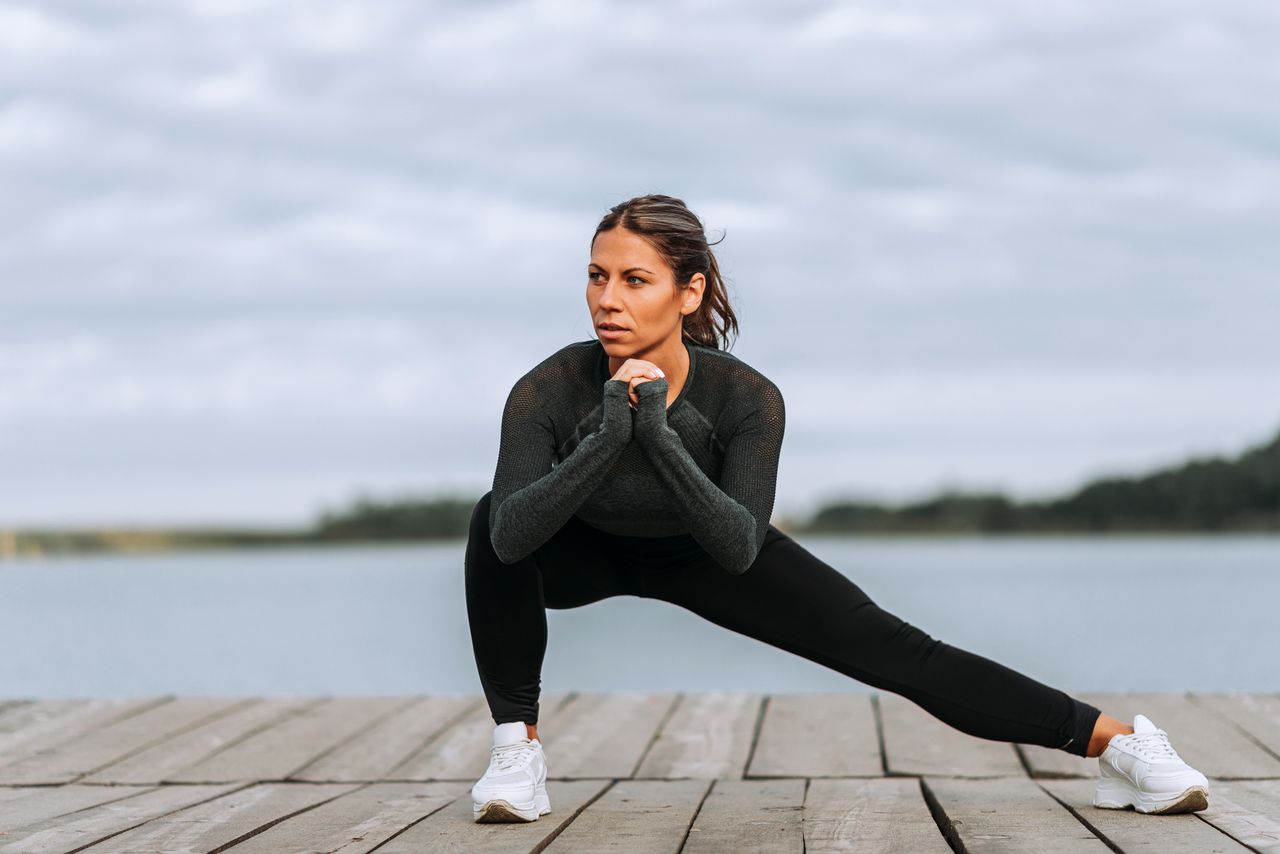
Most daily activities and exercise occur in the sagittal plane, meaning you typically move forward and backward. However, it’s important to practice moving side to side to remain agile and navigate obstacles. The side lunge activates the glute medius, an important yet often neglected glute muscle.
How to Do It:
-
Stand with your feet hip-width apart. If you’ve mastered the bodyweight side lunge, consider holding a set of dumbbells in the racked position (elbows bent, weights in front of shoulders, palms facing in).
-
Take a big step to the right with your right foot.
-
Keep your chest up and back flat as you hinge at the hips, push your butt back, and bend your right knee.
-
Push through your right foot to straighten your leg and return to standing.
-
Repeat for reps, then switch sides.
4. Squat
Credit: Ekaterina Demidova / Getty Images
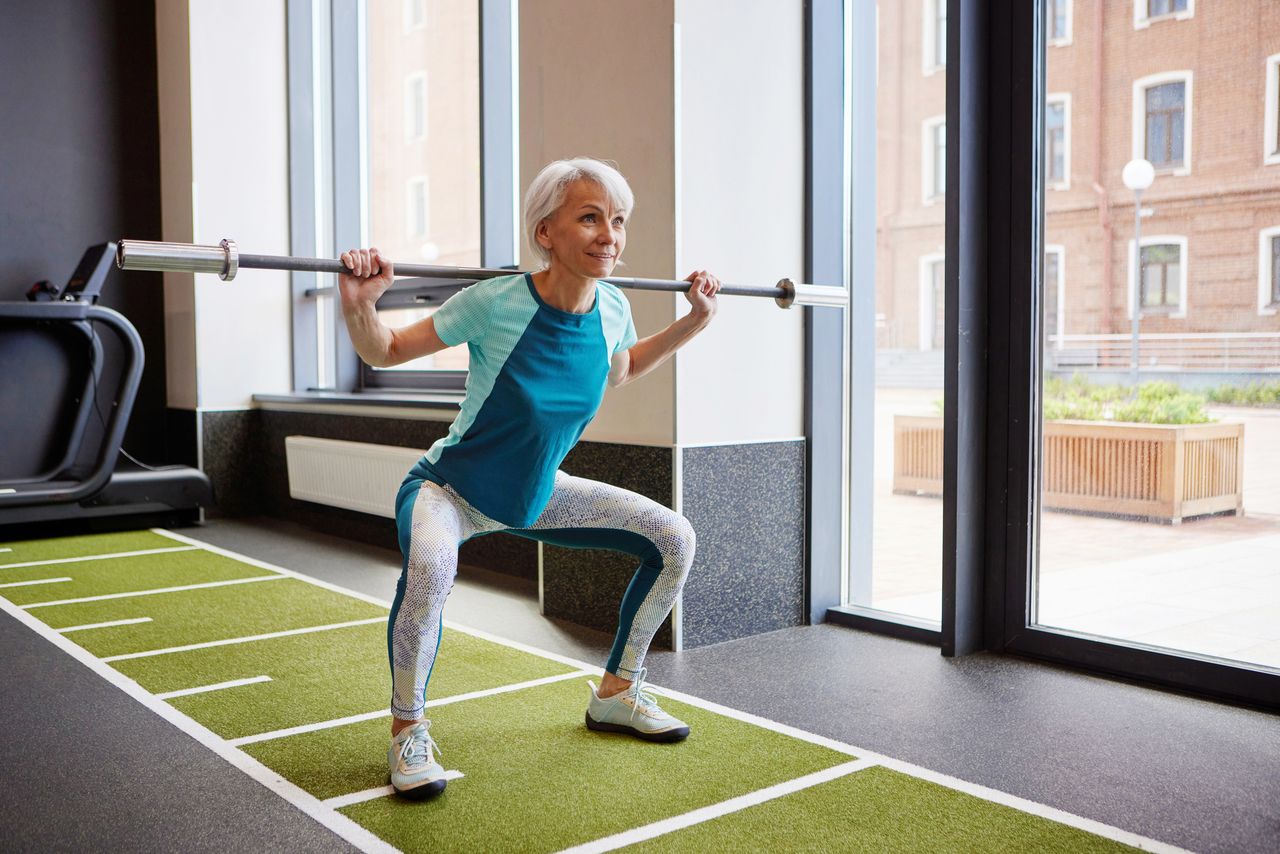
No leg day is complete without the squat. It’s the ultimate functional exercise that strengthens the core, hips, glutes, hamstrings, quadriceps, and calves.
How to Do It:
-
Stand with your feet hip-width apart and your toes pointed forward or slightly outward. If you’ve mastered the bodyweight squat, consider holding a set of dumbbells in the racked position (elbows bent, weights in front of shoulders, palms facing in).
-
Keep your chest up and back flat as you hinge at your hips, push your butt back, bend your knees, and lower into a squat.
-
Go as far as you comfortably can while maintaining control. Then, push through your feet and squeeze your glute as you return to a standing position.
5. Kickstand Deadlift
Credit: Kwanchanok Taen-on / Getty Images
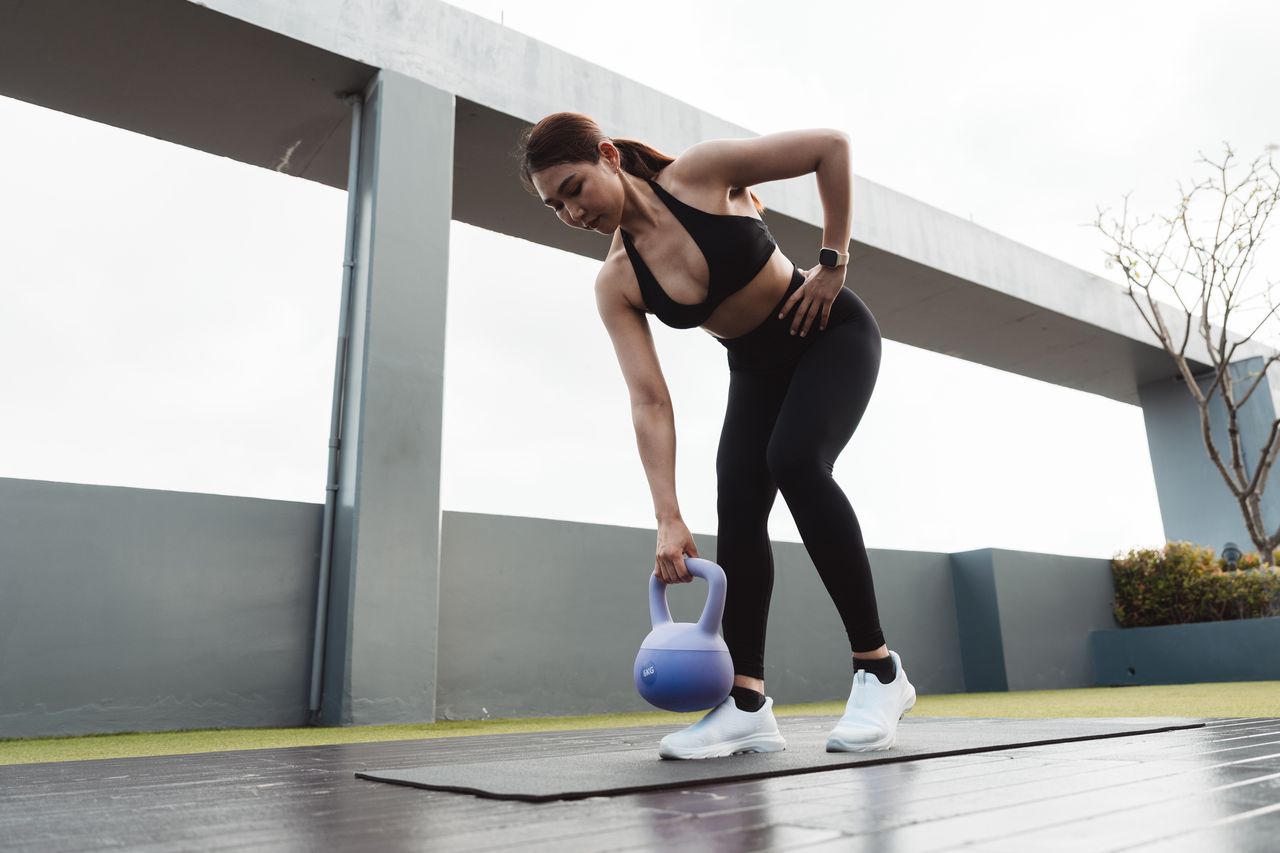
The kickstand deadlift works one leg at a time, so your “strong side” can’t compensate for your weaker muscles. This deadlift variation will challenge your single-leg balance, but your other foot is right there just in case you need backup.
How to Do It:
-
Stand with your feet shoulder-width apart. If you’ve mastered the bodyweight kickstand deadlift, consider holding a dumbbell in each hand, arms at sides.
-
Shift most of your weight into your left foot and draw your right foot back so that your right toes are gently resting on the ground. This is your “kickstand.”
-
With a soft bend in your left knee, hinge at your hips, push your butt back, and lower your torso toward the ground. Keep your back flat and your neck neutral as your arms reach down toward your left foot.
-
When you feel a deep stretch in the back of your left thigh, drive your hips forward and return to a standing position.
-
Repeat for reps, then switch sides.
Safety Tips for At-Home Leg Day
It’s a good idea to check with your healthcare provider before beginning any new exercise routine. Once you’ve received the go-ahead, consider these tips for a safe leg-strengthening workout.
-
Don’t push through pain: A little soreness is to be expected, but if you experience any sharp or worsening pain during exercises, that’s your cue to stop. Check with a professional who can assess the issue and offer modifications.
-
Skip the squishy soles: Ultra-cushioned running shoes are not ideal for strength training. They create an unstable base, making it harder to maintain your balance and proper form. Instead, opt for flatter athletic shoes with less foam so that you can feel the ground beneath your feet.
-
Use a balance support: If you’re still working on your balance and need some extra support, keep a sturdy chair nearby or position yourself near a wall. You don’t have to hold on for every rep, but it will be there if you need it.
-
Prep your space: Before each workout, check for obstacles and tripping hazards, such as cords, rug edges, and exercise equipment. Make sure you can fully perform each exercise without bumping your head or knocking into anything.
Why Building Leg Strength is Critical After 60
Maintaining a regular strength-training routine is one of the best ways to stave off sarcopenia, the age-related loss of muscle and strength that begins in your 30s and accelerates in your 60s. And while full-body strength training is important, specifically targeting the lower body has unique benefits.
The glutes, hamstrings (muscles on the back of the thigh), and quadriceps (muscles on the front of the thigh) are some of the body’s biggest muscle groups, so building mass in these areas gives you more “bang for your buck.” After all, muscle tissue plays a vital role in metabolism and may help prevent obesity, insulin resistance, and diabetes.
Additionally, as fall risk and fall-related injuries become a greater concern with age, leg-strengthening exercises can help improve balance and stability. Focusing on movements that mimic everyday activities, such as standing from a seated position, climbing stairs, and bending to pick something up from the floor, promotes functional strength and long-term independence.
Read the original article on Health