
Nutritional Risks and Metabolic Disorders in Companion Animals: Diet Composition, Contaminants, and Clinical Outcomes

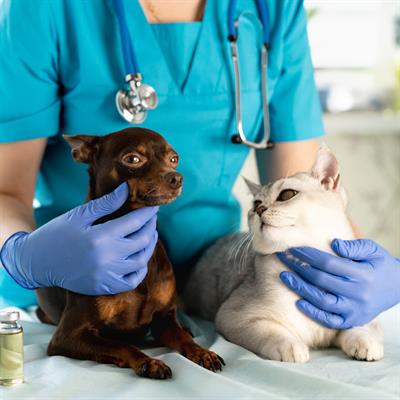
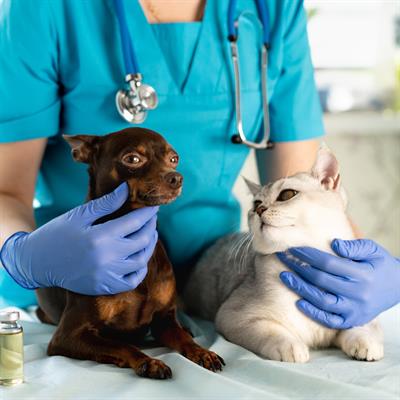
Nutrition science in companion animals is a dynamic and increasingly important field owing to the pivotal role that diet plays in the health, longevity, and wellbeing of dogs and cats. With companion animals now living longer lives than ever before, there is heightened scrutiny of the ways dietary composition, feeding regimens, and food safety impact metabolic stability and organ function over the long term. While a wide variety of diet options exist—including commercial products, therapeutic foods, homemade meals, and raw or unconventional regimens—significant questions persist regarding the adequacy, safety, and long-term consequences of these practices. Recent studies have brought to light both the therapeutic potential of precision nutrition and the risks posed by nutrient imbalances or contaminants such as mycotoxins and processing byproducts. Ongoing debates continue about optimal formulations, the health value of novel and functional ingredients, and the need for more comprehensive research on the consequences of both traditional and alternative feeding strategies.
This Research Topic aims to deliver an integrated, evidence-based perspective on how nutrition affects metabolic health and clinical outcomes in dogs and cats. It will examine the complex interplay between diet composition, feeding behavior, and dietary safety, with a focus on their roles in supporting physiological homeostasis, preventing metabolic dysfunctions, and managing pre-existing clinical conditions. Special attention is given to identifying and quantifying nutritional risk factors—such as poor formulation, improper feeding practices, and exposure to contaminants—as well as highlighting the benefits of optimal and functional nutrition. By synthesizing experimental, clinical, and translational research, this collection seeks to enhance our understanding of how tailored nutritional interventions can support the health and quality of life for both healthy and diseased animals, ultimately informing clinical practice across the veterinary and animal nutrition communities.
The scope of this Research Topic includes companion animal nutrition with an emphasis on metabolic health and food safety; contributions should focus on dogs and cats and be clinically or translationally relevant. We welcome submissions addressing, but not limited to, the following themes:
• The impact of diet composition and nutrient balance on metabolic and clinical outcomes
• Mechanisms and management of nutritionally influenced metabolic disorders
• Comparative evaluations of commercial, therapeutic, homemade, raw, and non-conventional diets
• The role and safety of functional ingredients and dietary supplements
• Assessment of feed quality, hygiene, and dietary contaminants, including mycotoxins
• Analytical and diagnostic approaches to evaluating companion animal diets
• Strategies for preventive and therapeutic nutrition in acute and chronic diseases
• The interplay between nutrition, long-term health, and longevity in companion animals
This Research Topic encourages original research articles, clinical studies, reviews, and brief reports relevant to the stated themes.
Article types and fees
This Research Topic accepts the following article types, unless otherwise specified in the Research Topic description:
- Brief Research Report
- Case Report
- Clinical Trial
- Editorial
- FAIR² Data
- FAIR² DATA Direct Submission
- General Commentary
- Hypothesis and Theory
- Methods
Articles that are accepted for publication by our external editors following rigorous peer review incur a publishing fee charged to Authors, institutions, or funders.
Keywords: companion animal, companion animal nutrition, metabolic disorders, diet composition, food contaminants, animal health
Important note: All contributions to this Research Topic must be within the scope of the section and journal to which they are submitted, as defined in their mission statements. Frontiers reserves the right to guide an out-of-scope manuscript to a more suitable section or journal at any stage of peer review.


