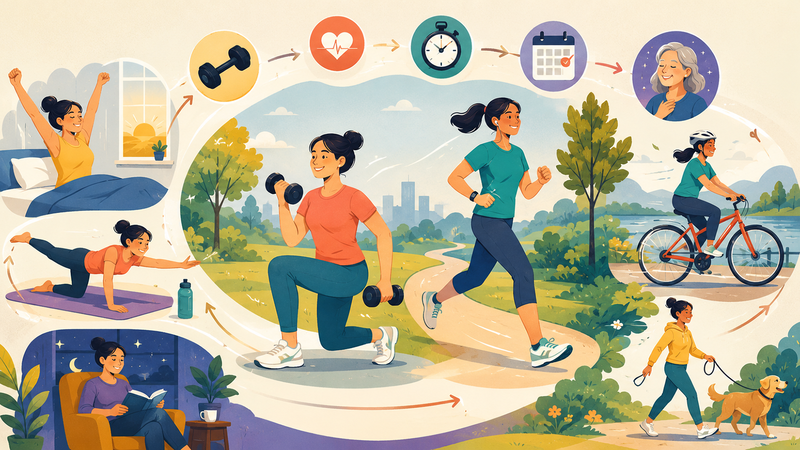
For years, the exercise advice most closely linked to living longer was simple: walk briskly, run if you can, cycle, swim, climb stairs, keep the heart working. Strength training was seen differently. It was for building muscle, looking fitter, improving sports performance or slowing age-related weakness.
That view is changing. A growing body of research is moving resistance training from gym advice into mainstream preventive health. The American College of Sports Medicine recently updated its resistance-training position stand for the first time since 2009. The new position drew on 137 systematic reviews covering more than 30,000 participants and focused on how resistance training affects strength, muscle size, power, endurance, movement speed and physical function in healthy adults.