Trying to eat healthy without breaking the bank can feel like a mission impossible. You walk into the grocery store, and suddenly everything labeled “healthy,” “natural,” or “pure” costs a fortune. It’s way too easy to get tricked into spending big on things that aren’t actually that good for you.
The wellness industry is a master at this, convincing us to shell out extra cash for fancy packaging and trendy buzzwords. In reality, many of these “superfoods” offer no real nutritional benefit over good old-fashioned whole foods.
To help you save some money, we’ve put together a list of fourteen overpriced health foods that are just not worth it. Keep reading to find out what to skip and what to grab instead for affordable, nutrient-packed meals.
1. Organic Fruits with Thick Peels

Image Credit: Shutterstock.
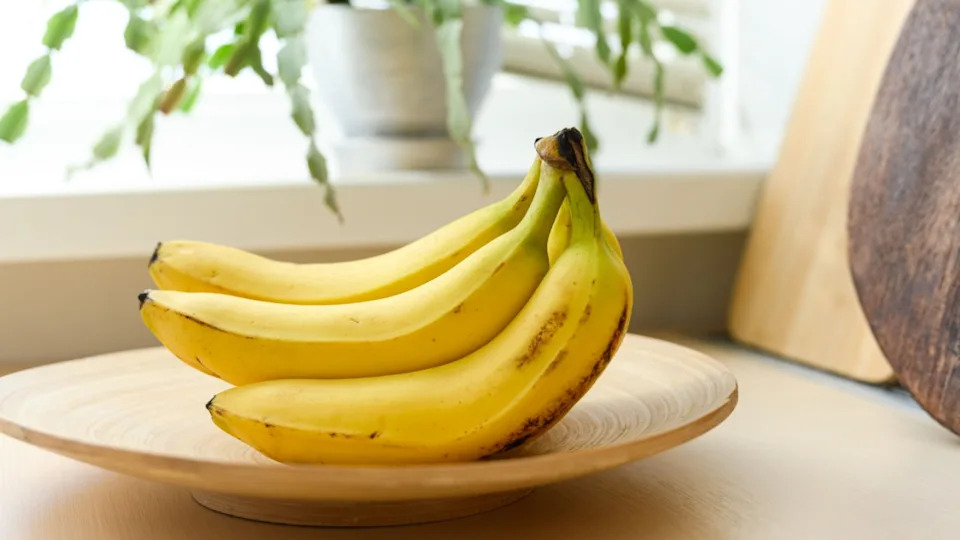
While many shoppers believe that all organic produce is nutritionally superior and safer, that’s not always the case. For fruits like bananas, avocados, or oranges, buying organic can cost a lot more than conventional options. Since pesticides mainly stay on the outer skin, you’re not getting much of a health benefit by choosing organic for fruits with thick, inedible peels.
Want to save some cash? Stick to conventional varieties for anything you peel before eating. If you have a budget for organic, it’s better to spend it on thin-skinned fruits like berries and apples.
2. Protein Bars

Image Credit: Shutterstock.
Fitness enthusiasts heavily rely on packaged protein bars to build muscle and stay full. These snacks cost a lot per bar and often hide massive amounts of sugar and artificial additives. Reading the ingredient list frequently reveals a nutritional profile closer to a candy bar than a health supplement.
Opt for whole food protein sources like hard-boiled eggs, cottage cheese, or a handful of raw nuts. Preparing a simple snack at home provides cleaner fuel for a fraction of the cost.
3. Veggie Straws and Chips

Image Credit: tastyfood at Shutterstock.
The packaging might be vibrant, but veggie straws and chips often fall short of their healthy promises. While they claim to offer a full serving of vegetables, their main ingredients are usually potato starch and corn flour, with just a sprinkle of vegetable powder for color. This means you’re paying a premium, often over six dollars a bag, for a snack with minimal fiber and vitamins.
For a truly healthy and cost-effective alternative, try raw carrots, bell peppers, or cucumbers with hummus. This simple swap provides the satisfying crunch and essential nutrients of real vegetables for just a few cents per serving.
4. Bottled Smoothies

Image Credit: Shutterstock.
It’s easy to think you’re making a healthy choice when you grab a vibrant smoothie from the store on a hectic morning. But have you ever checked the label? These drinks can have a staggering forty to sixty grams of sugar in just one serving, and they’ll set you back almost ten bucks. Plus, the bottling process often zaps the good stuff, the enzymes in fresh fruit.
Why not try making your own? A simple blender and some frozen fruit are all you need to whip up delicious, healthy smoothies at home. You’ll have complete control over what goes in, especially the sugar, and it’s so much cheaper.
5. Cold-Pressed Juices

Image Credit: Shutterstock.
Specialty juice bars and grocery stores sell small bottles of cold-pressed greens for exorbitant prices. Extracting the juice removes the essential dietary fiber needed to regulate blood sugar and keep digestion running smoothly.
Eat whole fruits and vegetables to consume the full spectrum of available nutrients. Chewing solid food increases satiety and provides the necessary fiber that juicing strips away.
6. Enhanced Bottled Water

Image Credit: Deposit Photos.
Beverage companies market waters infused with vitamins, minerals, or electrolytes as essential for hydration. These augmented waters run three to four dollars per bottle and often contain artificial sweeteners or hidden calories. The majority of people receive ample vitamins from a balanced diet and do not require fortified water.
Stick to standard filtered tap water and invest in a reusable metal or glass bottle. Add a squeeze of fresh lemon or cucumber slices for a refreshing flavor without the premium price tag.
7. Pre-Packaged Plant-Based Meats

Image Credit: Shutterstock.
Supermarkets dedicate massive sections to highly processed vegetarian burger patties and sausages. These meat alternatives frequently cost double the price of standard proteins and contain long lists of stabilizers and sodium. Creating the texture of real meat requires heavy processing that diminishes the overall nutritional value.
Rely on natural plant-based proteins like lentils, black beans, and chickpeas. These pantry staples cost less than a dollar per serving and offer pure, unadulterated nutrition.
8. Single-Serving Snack Packs

Image Credit: Shutterstock.
Tiny containers of hummus, miniature bags of almonds, and little cups of oatmeal dominate grocery store endcaps. Convenience pricing means consumers pay double or triple the bulk rate for the same food. The excess plastic packaging also creates unnecessary environmental waste.
Purchase family-sized containers of snacks and spend ten minutes portioning them into reusable containers at home. This simple habit drastically reduces grocery bills and eliminates single-use plastics.
9. Packaged Kale Chips

Image Credit: Shutterstock.
Dehydrated kale chips sprinkled with nutritional yeast carry a reputation as the ultimate superfood snack. A minuscule bag containing only a few handfuls of greens can easily cost six dollars. The markup on these fragile leaves is astronomical compared to the cost of raw produce.
Buy a large bunch of fresh kale for two dollars and bake it in the oven with olive oil and sea salt. Homemade chips turn out crunchy and cost a tiny fraction of the commercial versions.
10. Premium Almond Butter

Image Credit: Shutterstock.
Boutique nut butter fills the shelves with price tags reaching up to twenty dollars a jar. While almonds provide healthy fats, the nutritional difference between a standard jar and an artisanal raw brand remains minimal. Paying a massive premium for fancy labels simply drains funds.
Purchase standard natural peanut butter or basic store-brand almond butter with no added sugar. Alternatively, buy bulk almonds and blend them in a food processor for a perfectly creamy spread.
11. Flavored Yogurts

Image Credit: Shutterstock.
Small cups of fruit-on-the-bottom yogurt masquerade as digestive aids and healthy breakfasts. These containers regularly hide high amounts of added sugar and cost significantly more per ounce than larger tubs. The syrupy fruit mixtures negate the natural health benefits of the probiotic cultures.
Buy a large container of plain Greek yogurt and stir in fresh berries or a small drizzle of honey. This method provides double the protein, slashes the sugar intake, and lowers the cost per serving.
12. Gluten-Free Cookies and Crackers

Image Credit: Shutterstock.
Many shoppers without celiac disease purchase gluten-free baked goods under the false assumption that they promote weight loss. These specialty items replace wheat flour with refined potato starch or rice flour, offering virtually no nutritional improvement. The specialty manufacturing process drives the cost up to twice the price of traditional items.
Snack on naturally gluten-free whole foods like roasted chickpeas or air-popped popcorn. Bypassing the specialty baking aisle entirely keeps wallets full and diets clean.
13. Bottled Kombucha

Image Credit: Shutterstock.
Fermented tea drinks boast probiotics and enzymes for optimal gut health. A single bottle of kombucha frequently costs 3 to 6 dollars at the local market. Consuming these daily quickly becomes a massive financial drain for a benefit easily obtained elsewhere.
Incorporate affordable fermented foods like sauerkraut, kimchi, or kefir into daily meals. These alternatives provide robust probiotic profiles at a much lower price point.
14. Premium Acai Bowls

Image Credit: Shutterstock.
Smoothie bowls topped with exotic seeds and sliced fruit photograph beautifully for social media. Cafes often charge ten to fifteen dollars for a single bowl that mostly consists of blended fruit juice and sugary granola. The calorie and sugar density can easily rival a massive ice cream sundae.
Blend frozen berries at home and top them with oats and chia seeds. Creating this breakfast bowl in your own kitchen delivers all the antioxidants for under three dollars.
Final Food for Thought

Image Credit: Shutterstock.
Navigating the grocery aisles requires a sharp eye to avoid overpriced trends that drain budgets. Swapping heavily marketed items for whole, unprocessed alternatives protects both physical health and bank accounts. Review your weekly shopping list today and permanently cross off these costly foods to start saving immediately.
Read More: