Most gym-goers assume the heart benefits of lifting scale up with effort. More sessions, more protection. For running and cycling, something like that logic holds.
New evidence suggests resistance work follows a different curve, and a new systematic review has now mapped where it leads.

What researchers found about workout timing and exercise combinations forces a second look at assumptions that have stayed unchallenged for years.
Looking deeper at exercise
Dr. Fangchao Liu, an epidemiologist at Fuwai Hospital, part of the Chinese Academy of Medical Sciences, led a sweeping new analysis of exercise and cardiovascular health.
The work goes beyond outcome counts and maps what is happening inside the body. Standard physical activity guidelines remain the baseline.
The guidelines recommend at least 150 to 300 minutes of moderate aerobic effort per week. For vigorous exercise, they recommend 75 to 150 minutes.
Either way, muscle-strengthening work is recommended two days a week.
What has been missing is precision. Until this review. No previous synthesis had compared aerobic, resistance, and combined training side by side at both the body and population levels.
Cardio’s biggest heart benefits
This is where the review confirms a lot of prior work and adds nuance. Aerobic exercise – running, cycling, brisk walking, and swimming – cuts cardiovascular risk along a non-linear curve.
More activity helps. But the biggest jump in benefit shows up at the beginning, when an inactive person starts moving at all.
What the team adds is a clearer map of where the curve flattens and where gains keep climbing, drawn from objectively measured movement rather than self-reported activity.
People who barely budge stand to gain the most simply by getting off zero.
When strength training helps most
Lifting weights tells a different story. The relationship between strength training and cardiovascular risk runs in a J-shape.
Risk drops as weekly minutes climb, bottoms out around 40 to 60 minutes per week, then starts to creep back up. It is a small window.
Two short workout sessions appear to deliver the heart benefits without crossing into the territory where the data become cautionary.
The review is careful here. Evidence for higher-volume lifters is thinner than it is for moderate lifters, and the evidence base is not yet large enough to draw a definitive ceiling.
The combo advantage
The clearest finding sits at the intersection. Combining aerobic and resistance work produces results neither modality matches alone.
Aerobic workout pushes the heart, lungs, and metabolism. Resistance work changes muscle mass, body composition, and how the vascular system handles pressure under load.
Stacked together, the effects compound rather than overlap. For the team, the synergy is not a tie-breaker – it’s the recommendation itself.
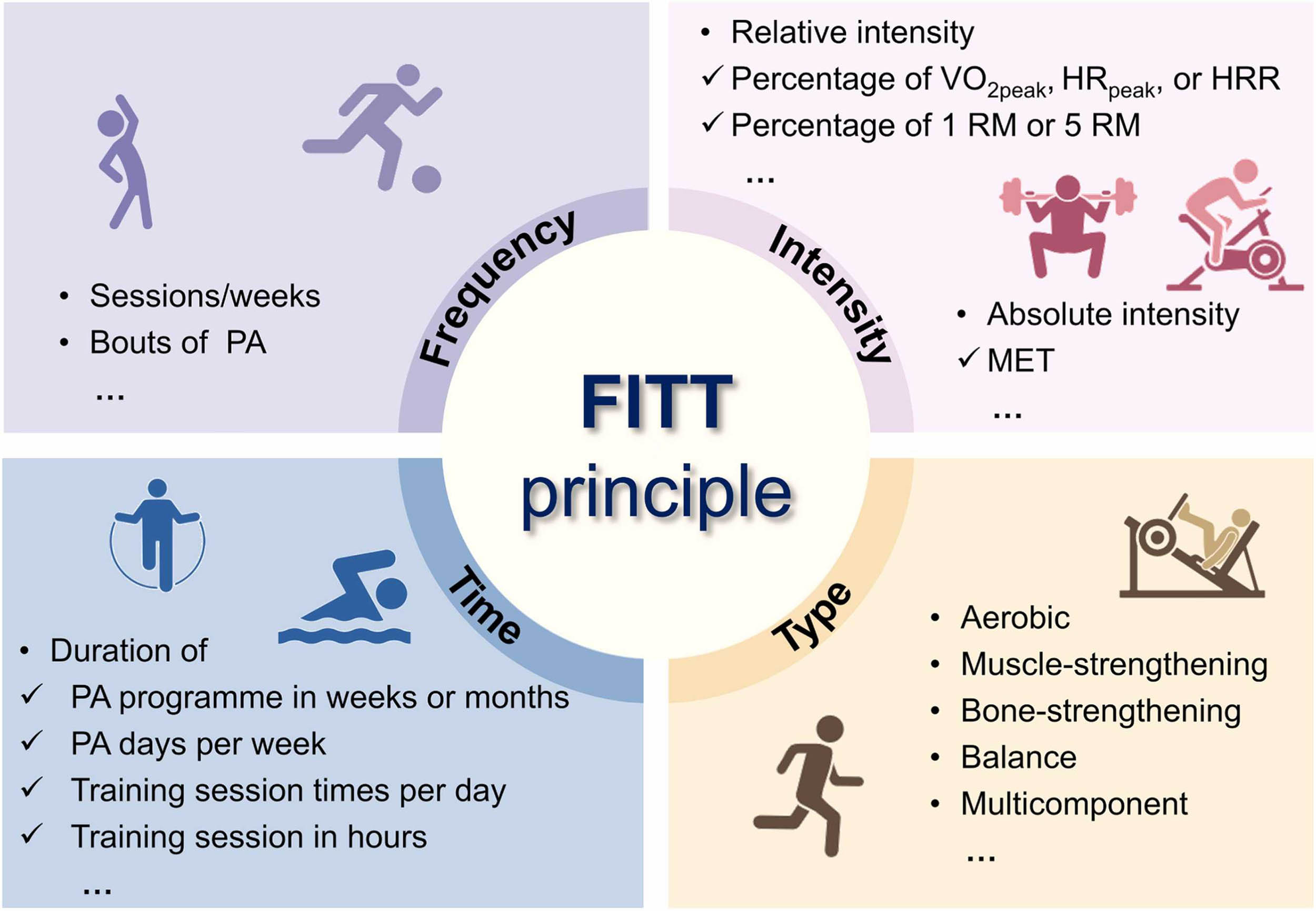
Mixing workouts delivers bigger gains
Timing carries weight. Objectively measured activity data suggests aerobic exercise performed in the evening yields more cardiovascular benefit than the same workout earlier in the day.
Separate research backs that up. A 2024 paper tracking adults with obesity found that evening exercisers had the lowest rates of cardiovascular events and damage to small blood vessels – lower than morning or afternoon exercisers in the same cohort.
Still, the mechanism is not fully understood. Circadian rhythm, blood pressure patterns, and overnight glucose handling – any of these could be driving the effect. But the timing signal is real.
Weekend workouts still help
For people who cannot exercise daily, the review offers a real reprieve. Cramming the weekly dose into one or two sessions – the weekend warrior pattern – still cuts cardiovascular risk meaningfully.
A 2017 study tracking more than 63,000 adults found the weekend-only group had nearly the same drop in cardiovascular and all-cause mortality as people spreading workouts across the week.
What appears to count is the total weekly load, not how it gets distributed across days.
What happens inside the heart
The mechanistic section is where the writing gets concrete. Regular aerobic workouts raises the heart’s ability to pull oxygen from the blood and improves how muscles use it.
It nudges the body to grow new capillaries around the heart – tiny detour vessels that can keep tissue alive when a major artery narrows.
Working muscle also releases exerkines – chemical messengers that travel through the bloodstream and are thought to prompt other tissues to grow new blood vessels, tamp down inflammation, and support repair.
Lower blood pressure, better insulin sensitivity, and healthier blood vessel walls are not abstract claims, but measurable changes visible in scans and lab results.
Those measurable changes are better documented for aerobic exercise than for resistance training. The J-curve picture for strength training carries an asterisk.
Most of the underlying data on resistance exercise comes from self-reported activity rather than objective measurement, which limits what can be concluded about the upper range.
The cautionary signal at higher lifting volumes is real, but still preliminary.
A more personalized exercise future
What the review establishes is sharper than what came before. Combining aerobic and resistance work protects more than either one alone.
The biggest gains still go to people starting from zero. Timing and exercise patterns affect outcomes in ways earlier guidelines did not capture.
How exercise gets prescribed may be the next thing to change. Generic minutes-per-week recommendations may give way to personalized plans built around risk profile, schedule, and wearable data.
For people already living with cardiovascular risk factors, the gains from getting active are amplified – and so are the safety stakes.
The next round, the team says, will need to identify key biomarkers – ones that can show when a workout is protecting the heart and when it is pushing too far.
The study is published in Medicine Plus.
—–
Like what you read? Subscribe to our newsletter for engaging articles, exclusive content, and the latest updates.
Check us out on EarthSnap, a free app brought to you by Eric Ralls and Earth.com.
—–